Choosing the Right Headless CMS: Strapi vs Sanity vs Contentful
A deep dive into the top Headless CMS platforms. Learn which one fits your project's scale, budget, and developer experience.
Rohit Sharma
Engineering Strategy
Perspective
Practical engineering guidance
Depth
1 focused sections
Use it for
Headless CMS comparison · Strapi vs Sanity
The Era of the Headless CMS
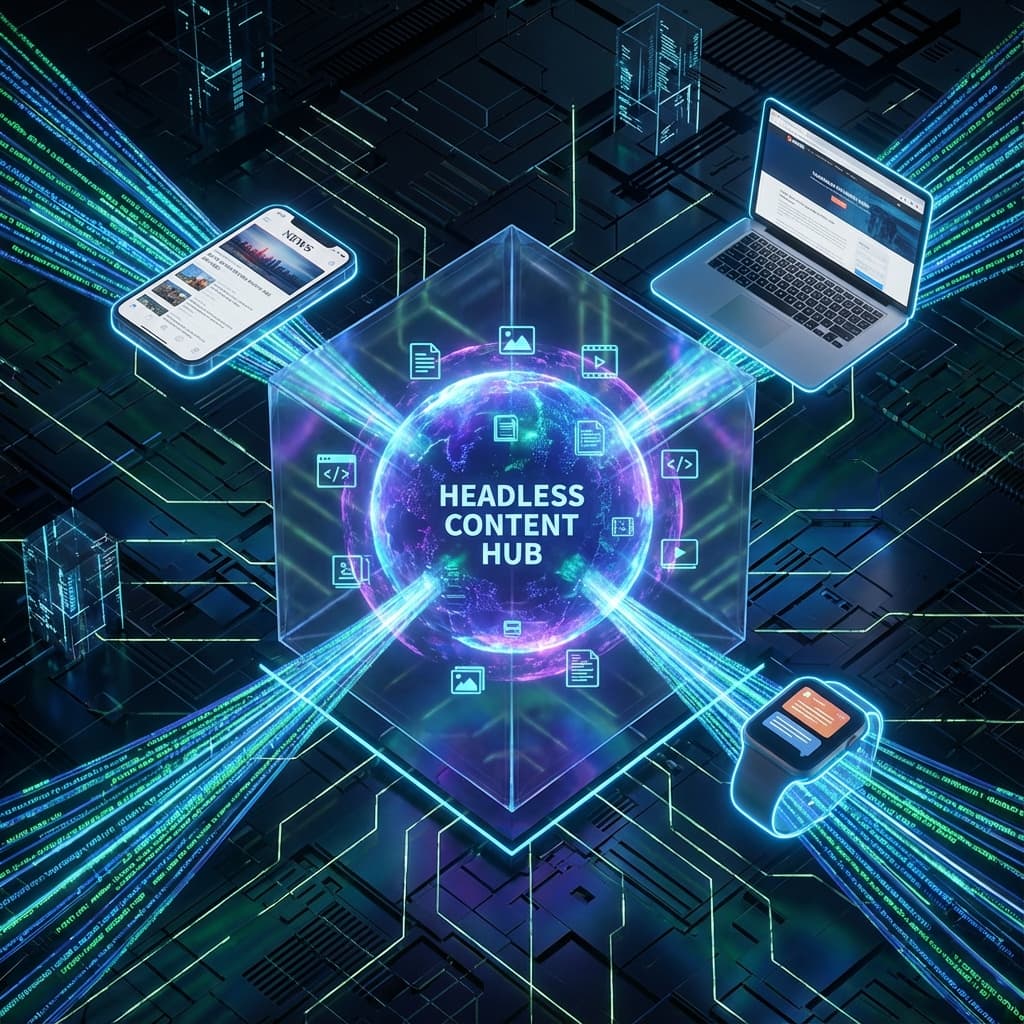
A headless CMS separates content management from delivery, allowing the same structured content to support websites, applications, and other channels. That flexibility also adds integration, preview, caching, governance, and operating responsibilities. The right choice depends on the editorial workflow as much as the developer experience.
1. Strapi: The Open-Source Powerhouse
Strapi is the go-to for developers who want full control. It's self-hosted, meaning you own your data.
- Pros: Infinite customization, no monthly subscription fees if self-hosted, easy to build custom plugins.
- Cons: You are responsible for maintenance and server security.
2. Sanity.io: The Developer's Darling
Sanity treats content as data. Its "Content Lake" approach allows for incredible flexibility and real-time collaboration.
- Pros: Best-in-class developer experience, highly customizable "Studio," great for complex content structures.
- Cons: Can be expensive as you scale, steeper learning curve for non-technical editors.
3. Contentful: The Enterprise Standard
Contentful is the most "Corporate" of the bunch. It's built for massive teams and multi-region deployments.
- Pros: Rock-solid reliability, excellent media management, built for scale.
- Cons: Very expensive for small teams, the interface can feel overwhelming for simple blogs.
Which one should you choose?
- Choose Strapi if: You are building a custom application and want to avoid "Vendor Lock-in."
- Choose Sanity if: You have a complex project with unique data relationships and a dedicated developer team.
- Choose Contentful if: You are working in a large organization with hundreds of content editors and a significant budget.
Future-Proofing Your Content
Regardless of which CMS you choose, the "Headless" approach ensures that your content is decoupled from your design. If you decide to redesign your website in three years, you don't have to migrate your content; you simply point your new frontend to the same API.
Conclusion
A Headless CMS is an investment in your business's agility. By separating content from presentation, you empower your marketing team to move fast while your developers use the latest modern frameworks.