Clearer Incident Response
Use observability and runbooks to shorten diagnosis and make recovery responsibilities explicit.

Infrastructure
Connect code review, automated checks, deployment, health signals, and rollback into a repeatable delivery path.
Map the route a code change takes from review to production. Improve the checks, build artifacts, approvals, and release steps so the team can see what shipped and recover when a change fails. Use health signals and delivery measures to decide what to improve next.
DevOps Consulting delivery
A useful engagement connects product intent, engineering choices, quality controls, and operational ownership instead of treating implementation as an isolated hand-off.
Use observability and runbooks to shorten diagnosis and make recovery responsibilities explicit.
Automate repeatable checks and deployment steps according to the risk and release model of the product.
Stop arguing about uptime. Manage reliability mathematically using Error Budgets and SLOs.
Architecture boundaries, integration behavior, security assumptions, and release choices are recorded with their trade-offs.
Documentation, monitoring, access, deployment controls, and next-release priorities are prepared around the operating team.
The first useful step depends on what is already known, what is already running, and which risk needs to be reduced first.
Map your starting pointMap the route a code change takes from review to production. Improve the checks, build artifacts, approvals, and release steps so the team can see what shipped and recover when a change fails. Use health signals and delivery measures to decide what to improve next.
Best fit when
The outcome matters, but scope, dependencies, or the implementation boundary are still uncertain.
Useful outputs
Work proceeds in testable increments that connect interface quality, system behavior, integrations, security, and release readiness.
Best fit when
The direction is understood and you need an accountable path from design through production.
Useful outputs
Use evidence from the live product to prioritize performance, reliability, usability, security, and operating improvements in a controlled sequence.
Best fit when
The current system has value, but specific constraints are slowing users, delivery, or growth.
Useful outputs
What we deliver for DevOps Consulting.
Designing advanced pipelines with progressive delivery, canary releases, and automated rollbacks.
Defining and measuring Service Level Indicators and Objectives that actually matter to users.
Implementing the three pillars of observability: metrics, logs, and distributed tracing.
Setting up PagerDuty/Opsgenie routing, blameless post-mortem templates, and on-call structures.
Keep versioned release artifacts, change records, and verification instructions available to the team.
The delivery path
How we build scalable solutions from concept to deployment.
Evaluating your current deployment frequency, lead time, MTTR, and change failure rate (DORA metrics).
Working with stakeholders to define critical user journeys and acceptable error budgets.
Connect tests, artifact packaging, release approvals, and deployment in a reviewable workflow.
Establishing incident management, post-mortem, and deployment review processes.
Training the internal team to operate and evolve the DevOps practices independently.
Selected project work
Explore products from the Netcurion team and the case studies behind them. Each project explains its own scope, workflows, and current status.
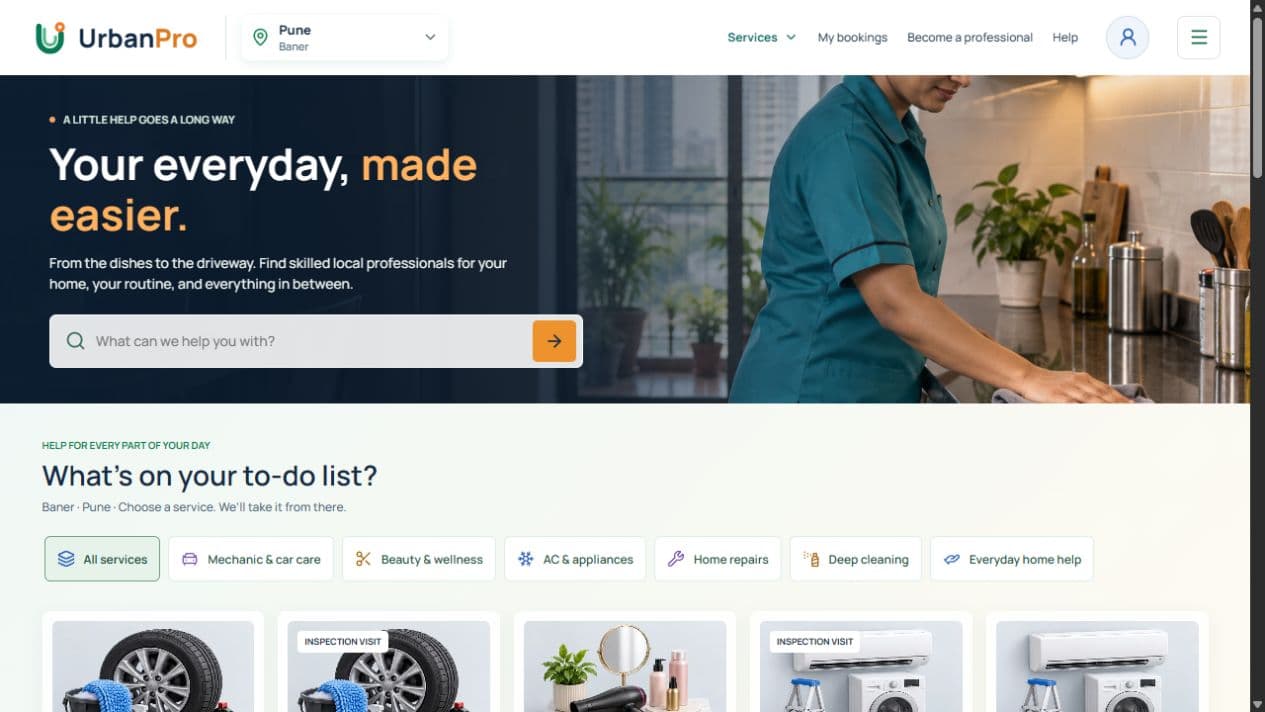
Web Platform · Pilot
An on-demand service platform connecting city-based discovery, customer bookings, service professionals, and day-to-day operations.
Read the case study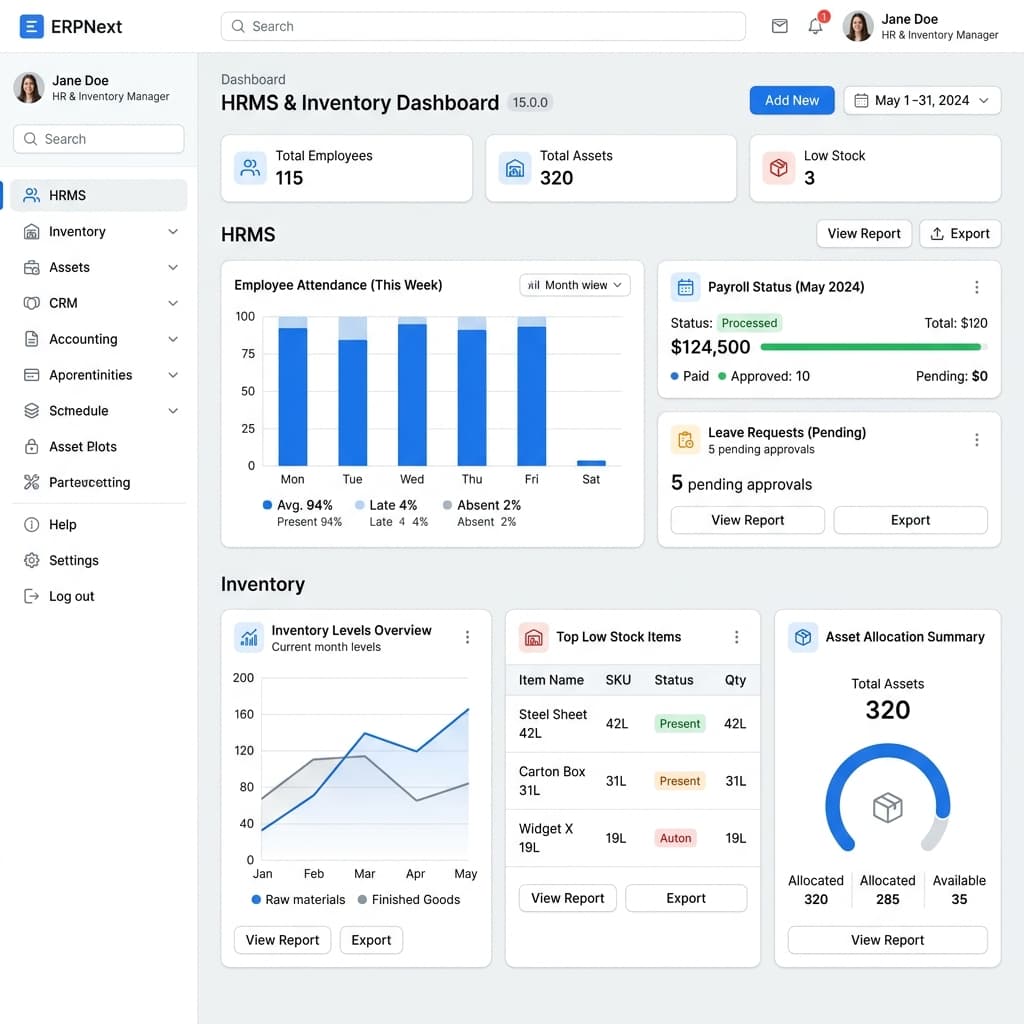
Enterprise Software
People, approvals, stock records, and reporting brought together in an ERPNext and Frappe implementation.
Read the case study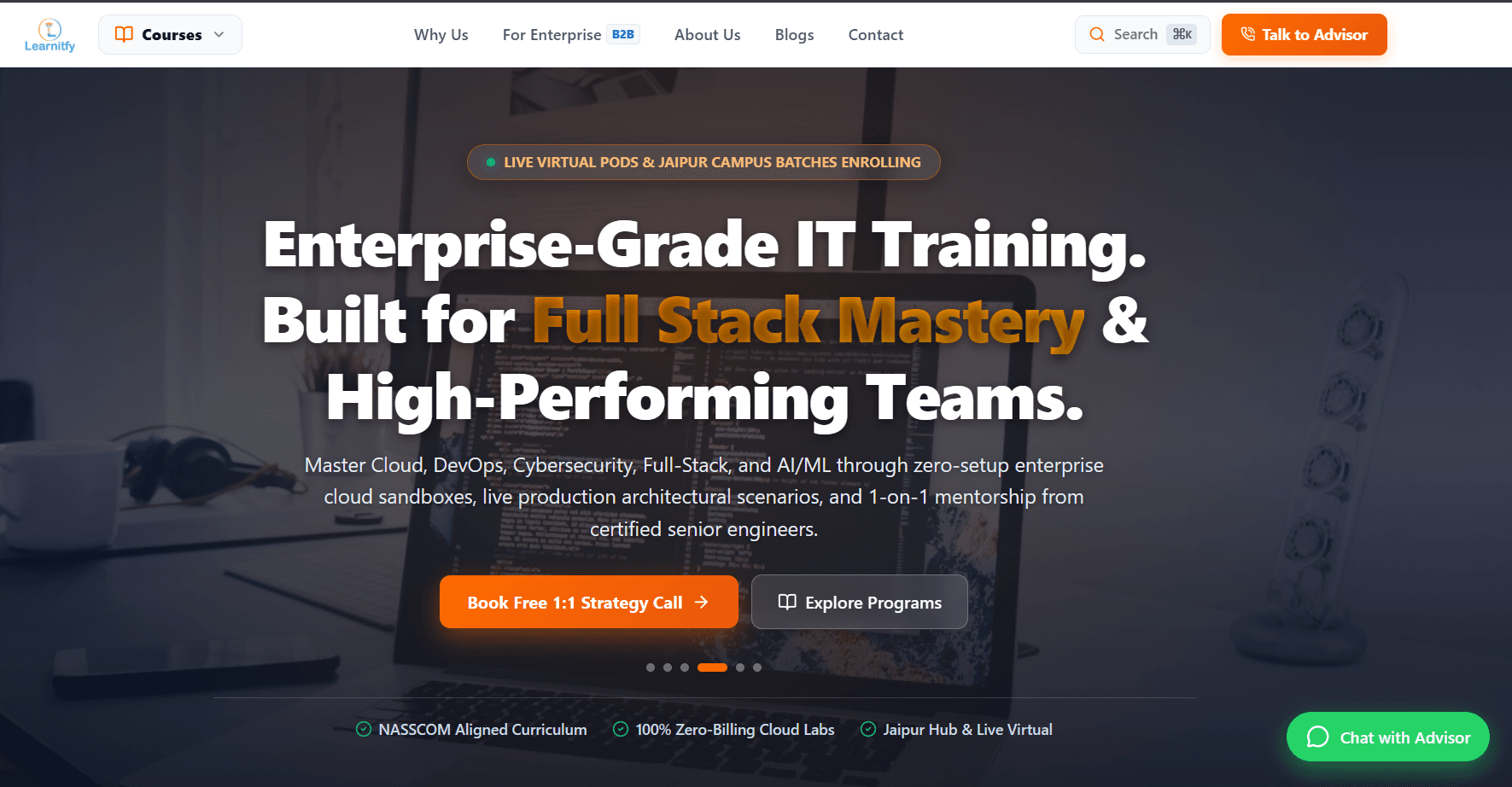
Web Platform
A training and LMS experience for course discovery, learning formats, learner access, and admissions enquiries.
Read the case studyCommon questions about our DevOps Consulting services.
DevOps is a cultural philosophy that combines development and operations. Site Reliability Engineering (SRE) is a specific implementation of DevOps pioneered by Google, focusing on applying software engineering practices to operations and using math (SLOs/Error Budgets) to manage reliability.
We help teams plan alerts, runbooks, and escalation. Any operational coverage and response expectations are agreed separately.
Beyond implementation
Map the people, records, approvals, exceptions, and systems involved before selecting the solution boundary.
Document data ownership, integrations, access, failure handling, deployment, and the trade-offs the team accepts.
Plan validation, rollout, documentation, support, and how the client team will operate the solution after launch.
From the field
Practical notes on modernization, architecture, automation, delivery, and maintainable software systems.
ERP & OperationsPlan ERPNext around process fit, named business owners, reconciled migration data and a rehearsed launch decision, with clear boundaries for configuration and extensions.
Read article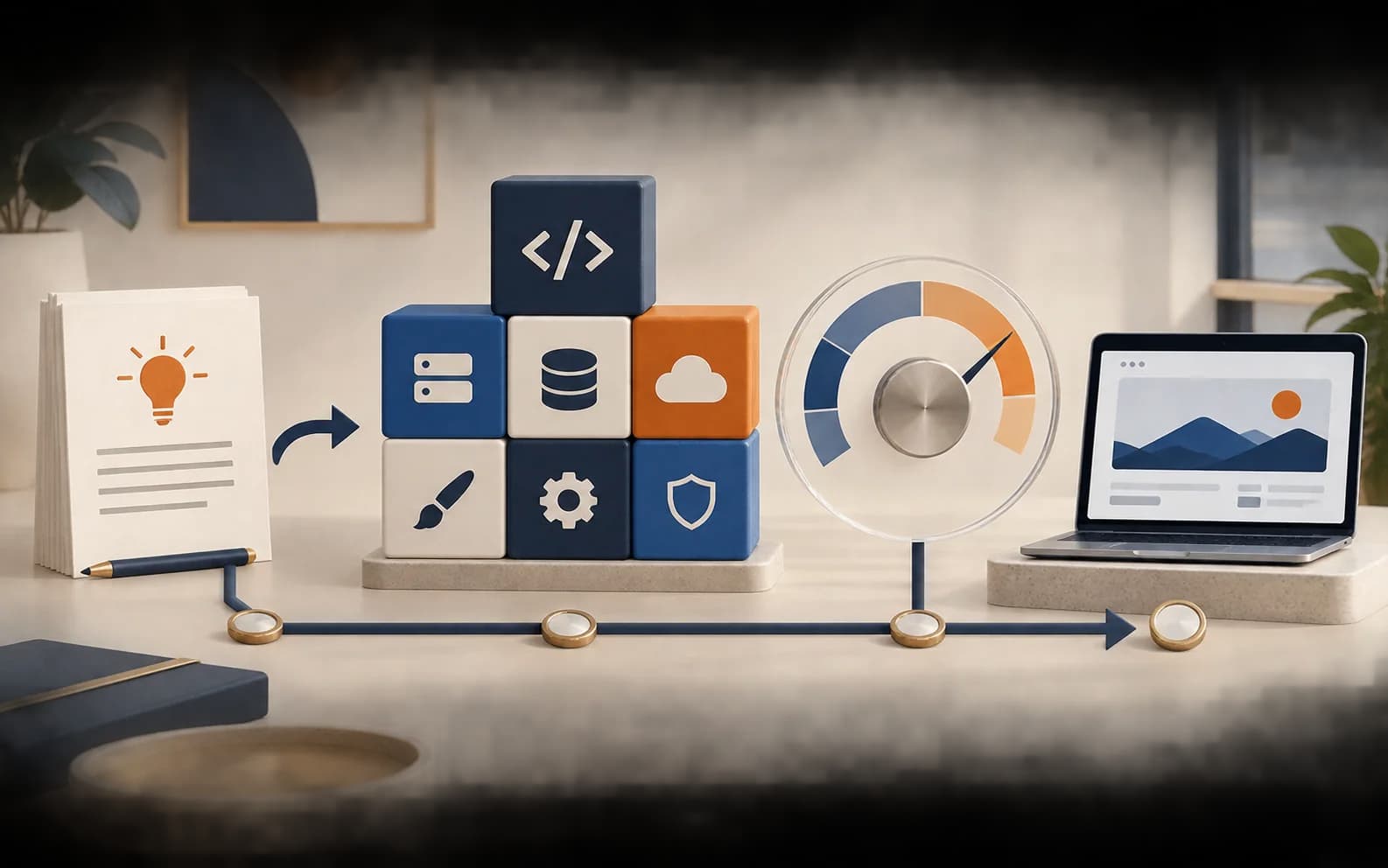 Mobile Engineering
Build a mobile app budget around complete user journeys, device requirements, backend responsibilities and release ownership, then revisit it as dependencies become clear.
Read article Software Strategy
Run a software discovery workshop around real work, test the hardest assumption and leave with a release boundary, named owners and a documented next decision.
Read article AI & Automation
Understand AI in business workflows, compare opportunities with a practical scorecard, estimate pilot costs and decide when human review and a controlled pilot fit.
Read articleSoftware StrategyLearn what shapes a custom software estimate, why proposals differ, which build and operating costs to include, and when discovery or a revised estimate is needed.
Read articleLet’s build the next useful thing
Tell us who the product is for, what you need, and your priorities. We’ll review your enquiry and help define a practical next step.
Need to share confidential details? You can request an NDA in the form.
info@netcuriontechnology.com+91 91313 32435Explore other engineering capabilities that complement this service.
Plan and operate cloud environments, access, monitoring, backups, recovery, and costs around your workload.
Explore serviceEnd-to-end custom software engineering designed specifically for your unique business logic, workflows, and scale requirements.
Explore servicePlan your next step
Explore the decisions, trade-offs, and implementation questions connected to this work.
Cloud migration should improve a defined constraint—resilience, change speed, scale, security, or cost—while controlling application, data, identity, and operating risk.
Explore guideCloud cost improves when finance, product, and engineering connect resource use to customer and workload value, then make optimization part of normal delivery.
Explore guideKubernetes is valuable for specific platform needs, but its control, networking, security, upgrade, and observability burden must be justified by workload and team reality.
Explore guide