Reduced Maintenance Burden
Modern codebases are cheaper to maintain, with better tooling, testing, and documentation.

Enterprise
Identify the valuable parts of the current system, then improve interfaces, data flow, and deployment in stages the business can review.
Software Modernization outcomes
Connect the business outcome to the people, records, and operating decisions behind it.
Modern codebases are cheaper to maintain, with better tooling, testing, and documentation.
Modern architectures enable parallel team development and rapid deployment cycles.
Replace unsupported software with actively maintained frameworks that receive regular security updates.
What we deliver for your business.
Incrementally replace legacy components with modern services, routing traffic gradually from old to new systems with full rollback capability.
Expose legacy system functionality through modern REST or GraphQL APIs, enabling integration with contemporary applications and services.
Plan legacy database moves with validation, rehearsed cutovers, rollback options, and dual-write periods where they are justified.
Replace legacy user interfaces with modern, responsive web applications while maintaining backend compatibility during transition.
The delivery path
How we build scalable solutions from concept to deployment.
Comprehensive analysis of existing codebase, architecture, dependencies, and technical debt.
Define the modernization approach for each component: wrap, migrate, replace, or retire.
Establish modern infrastructure, CI/CD pipelines, and observability tooling.
Execute migration in priority order, validating each phase before proceeding.
Safely retire legacy components after modern replacements are validated in production.
Designed for everyday use
We shape the experience around the people using it: what they need to see, what they need to do, and what happens when a task needs attention.
Keep the tools and information each person needs easy to find.
Bring related records and activity together, with a clear view of progress.
Make important actions, approvals, and exceptions understandable.
Agree who can view, edit, and approve information as part of the product scope.
Common questions about our Software Modernization solutions.
Sometimes, but rarely. We recommend incremental modernization in most cases because it reduces risk, delivers value earlier, and maintains business continuity. Full rewrites are considered only when the existing codebase is completely unmaintainable or the business model has fundamentally changed.
Beyond implementation
Map the people, records, approvals, exceptions, and systems involved before selecting the solution boundary.
Document data ownership, integrations, access, failure handling, deployment, and the trade-offs the team accepts.
Plan validation, rollout, documentation, support, and how the client team will operate the solution after launch.
From the field
Practical notes on modernization, architecture, automation, delivery, and maintainable software systems.
 ERP & Operations
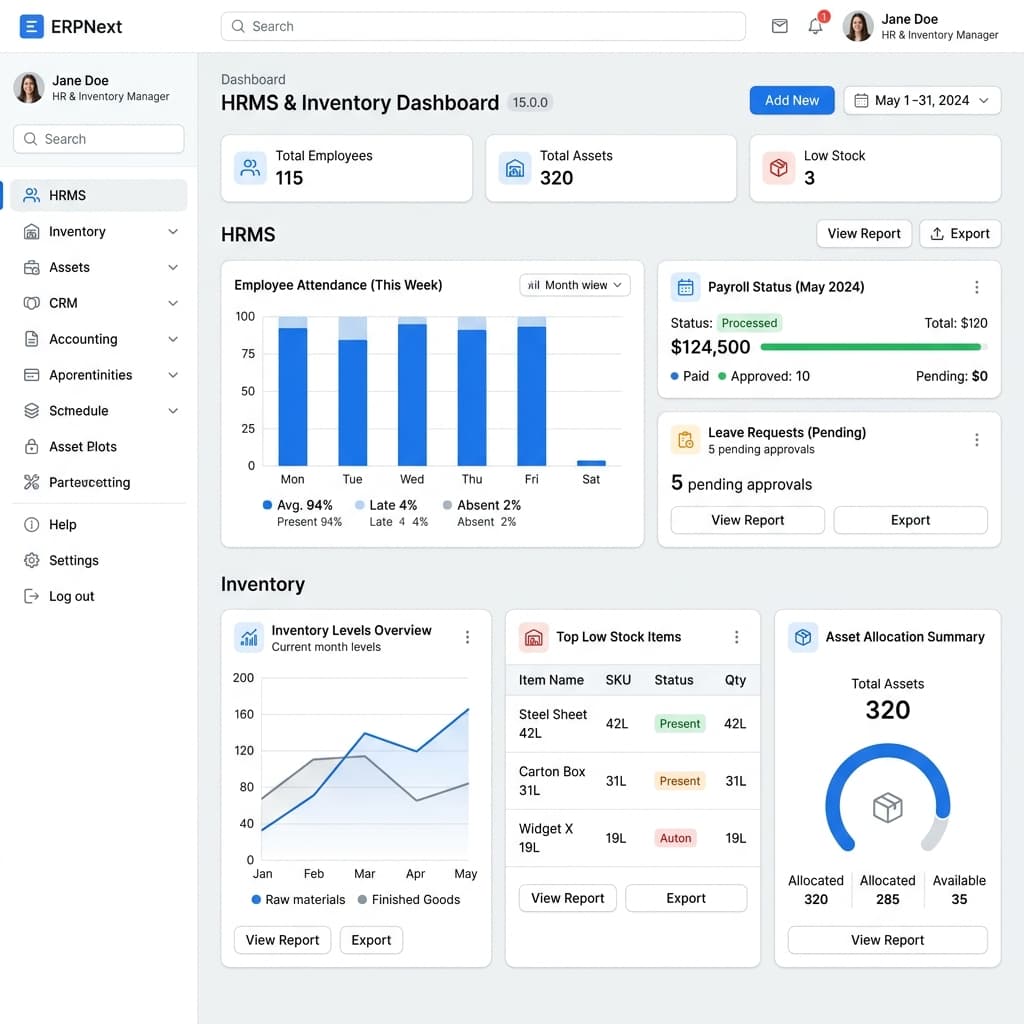
Plan ERPNext around process fit, named business owners, reconciled migration data and a rehearsed launch decision, with clear boundaries for configuration and extensions.
Read article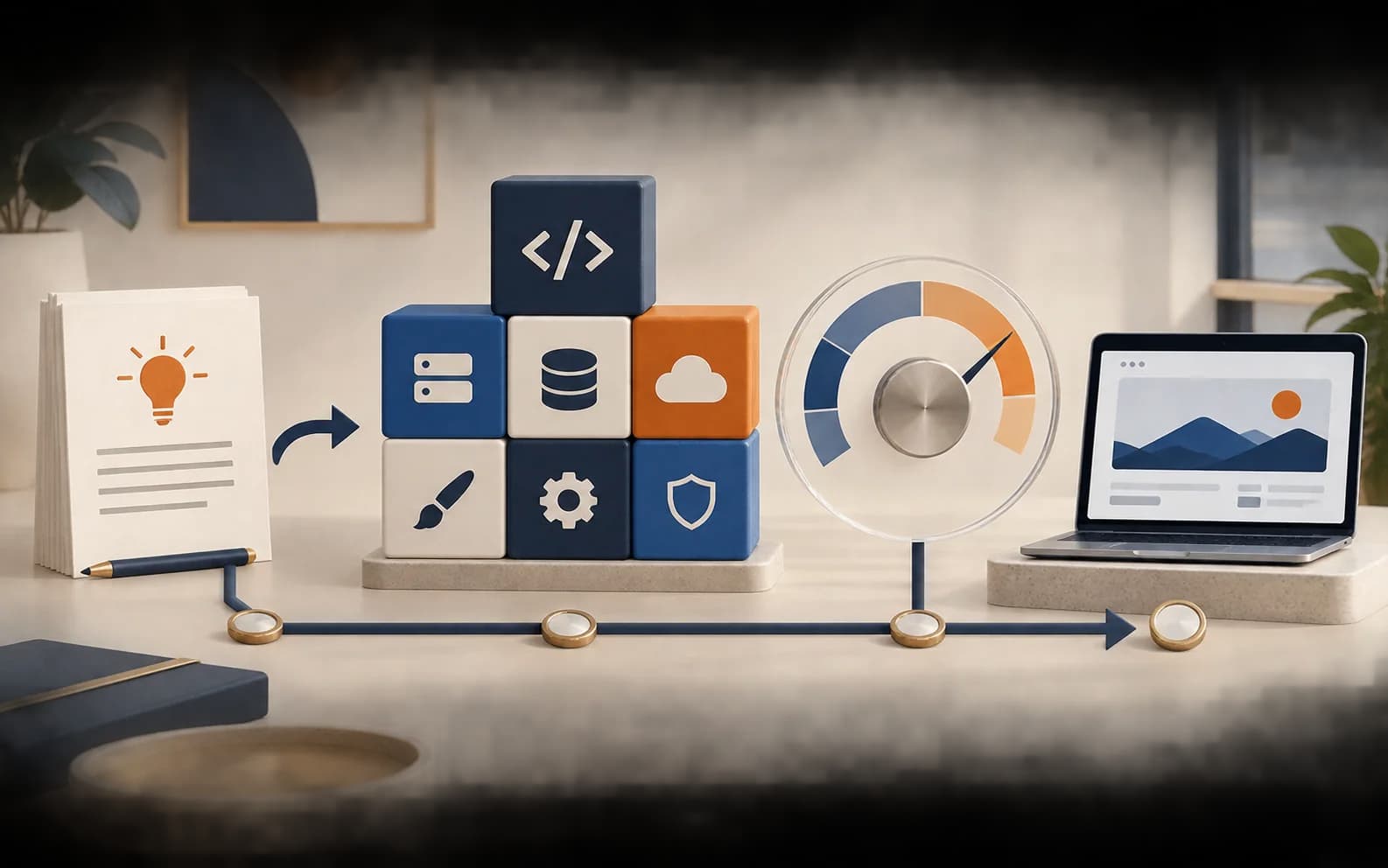 Mobile Engineering
Build a mobile app budget around complete user journeys, device requirements, backend responsibilities and release ownership, then revisit it as dependencies become clear.
Read article Software Strategy
Run a software discovery workshop around real work, test the hardest assumption and leave with a release boundary, named owners and a documented next decision.
Read article AI & Automation
Understand AI in business workflows, compare opportunities with a practical scorecard, estimate pilot costs and decide when human review and a controlled pilot fit.
Read articleSoftware StrategyLearn what shapes a custom software estimate, why proposals differ, which build and operating costs to include, and when discovery or a revised estimate is needed.
Read articlePlan your next step
Explore the decisions, trade-offs, and implementation questions connected to this work.
Enterprise Next.js requires deliberate rendering boundaries, data ownership, caching, authentication, observability, accessibility, and deployment controls—not only component conventions.
Explore guideModernization succeeds when teams isolate business risk, create safe seams, and migrate workflows incrementally while protecting data and service continuity.
Explore guideChoose a tenancy model by evaluating isolation, customization, compliance, operational load, and unit economics rather than following a default architecture diagram.
Explore guideLet’s build the next useful thing
Tell us who the product is for, what you need, and your priorities. We’ll review your enquiry and help define a practical next step.
Need to share confidential details? You can request an NDA in the form.
info@netcuriontechnology.com+91 91313 32435