
01
Load Testing & Profiling
Establish baseline performance metrics and identify bottlenecks through systematic load testing.
Performance engineering, capacity planning, and infrastructure decisions grounded in how the product actually behaves under load.
What we deliver for your business.
Systematic load testing and bottleneck identification using APM tools, flame graphs, and database query analysis.
Re-architect stateful components into stateless services that can scale horizontally with auto-scaling policies.
Implement multi-layer caching strategies (CDN, application, database) to reduce load on origin servers and databases.
Query optimization, indexing strategies, read replicas, and connection pooling to handle growing data volumes efficiently.
The delivery path
How we build scalable solutions from concept to deployment.
Establish baseline performance metrics and identify bottlenecks through systematic load testing.
Design a scaling roadmap prioritized by impact and implementation effort.
Execute scaling improvements incrementally, validating each change with load tests.
Implement comprehensive monitoring and alerting to proactively identify scaling issues.
System architecture
Auto-scaling Kubernetes clusters, Redis caching layers, PostgreSQL read replicas, CDN edge distribution, and message queue-based async processing for background workloads.
Separate product responsibilities so changes remain local and understandable.
Define ownership, validation, retention, migration, and reconciliation explicitly.
Plan authentication, retries, failure visibility, idempotency, and support.
Include permissions, observability, deployment, backup, and recovery.
The tools and frameworks we use to build scalable systems.
Common questions about our Product Scaling solutions.
Ideally, before you need it. We recommend engaging in scaling work when you're consistently using 60-70% of your current capacity, or when you anticipate a significant growth event (product launch, marketing campaign, seasonal peak).
Beyond implementation
Map the people, records, approvals, exceptions, and systems involved before selecting the solution boundary.
Document data ownership, integrations, access, failure handling, deployment, and the trade-offs the team accepts.
Plan validation, rollout, documentation, support, and how the client team will operate the solution after launch.
From the field
Practical notes on modernization, architecture, automation, delivery, and maintainable software systems.
 Product Strategy
A comprehensive master handbook for Product Managers, CTOs, and Founders detailing product discovery cycles, PRDs, RICE scoring, user research, product-led growth (PLG), and agile sprint velocity.
Read article Cyber Security
A comprehensive 5,000+ word technical guide covering OWASP Top 10 mitigations, zero-trust JWT/OAuth auth pipelines, BOLA RBAC guards, Docker/Kubernetes container security, and SOC 2 / ISO 27001 compliance.
Read article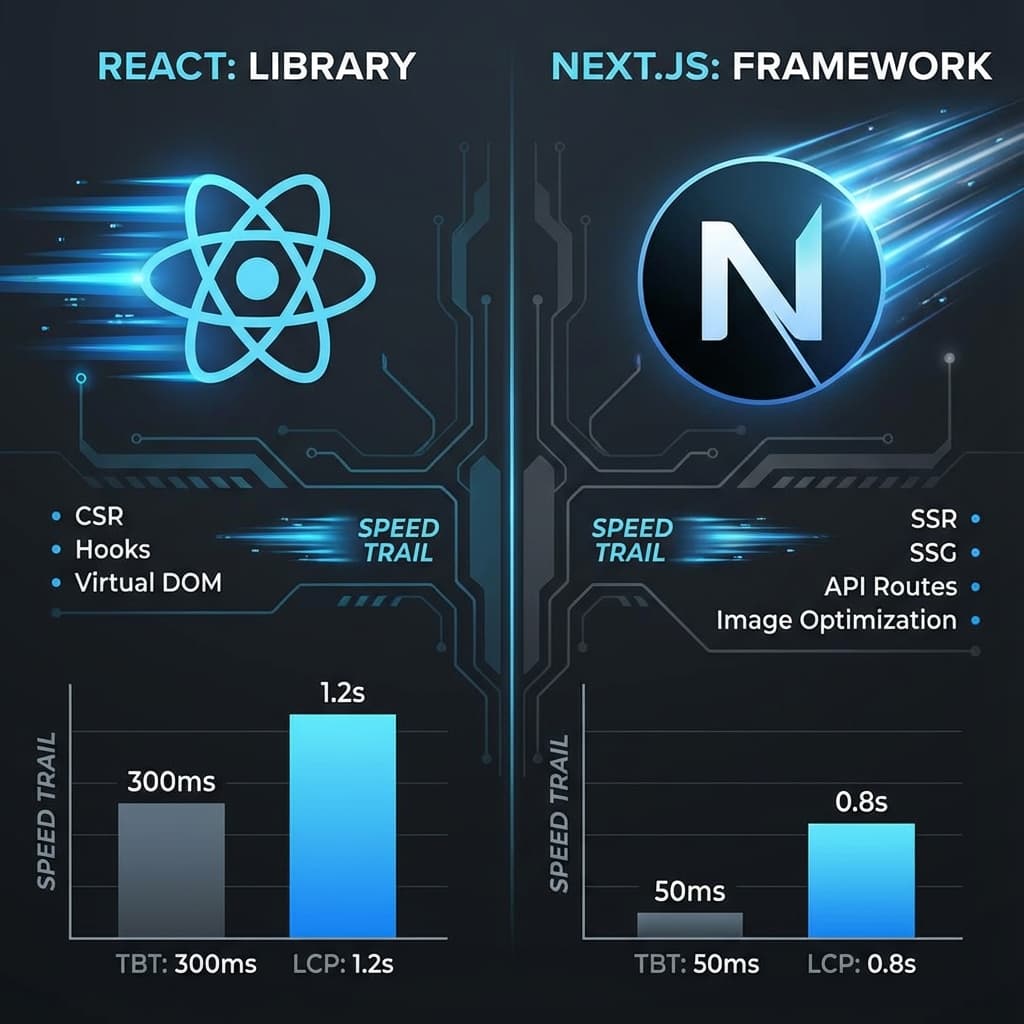 Product Strategy
Product Manager Rohit Sharma outlines strategic frameworks for product discovery, PRD authoring, RICE prioritization, and driving high-velocity engineering delivery.
Read article Product Strategy
How Product Manager Rohit Sharma conducts user research, defines key SaaS metrics (MRR, Churn, LTV/CAC), and aligns engineering roadmaps with business growth.
Read article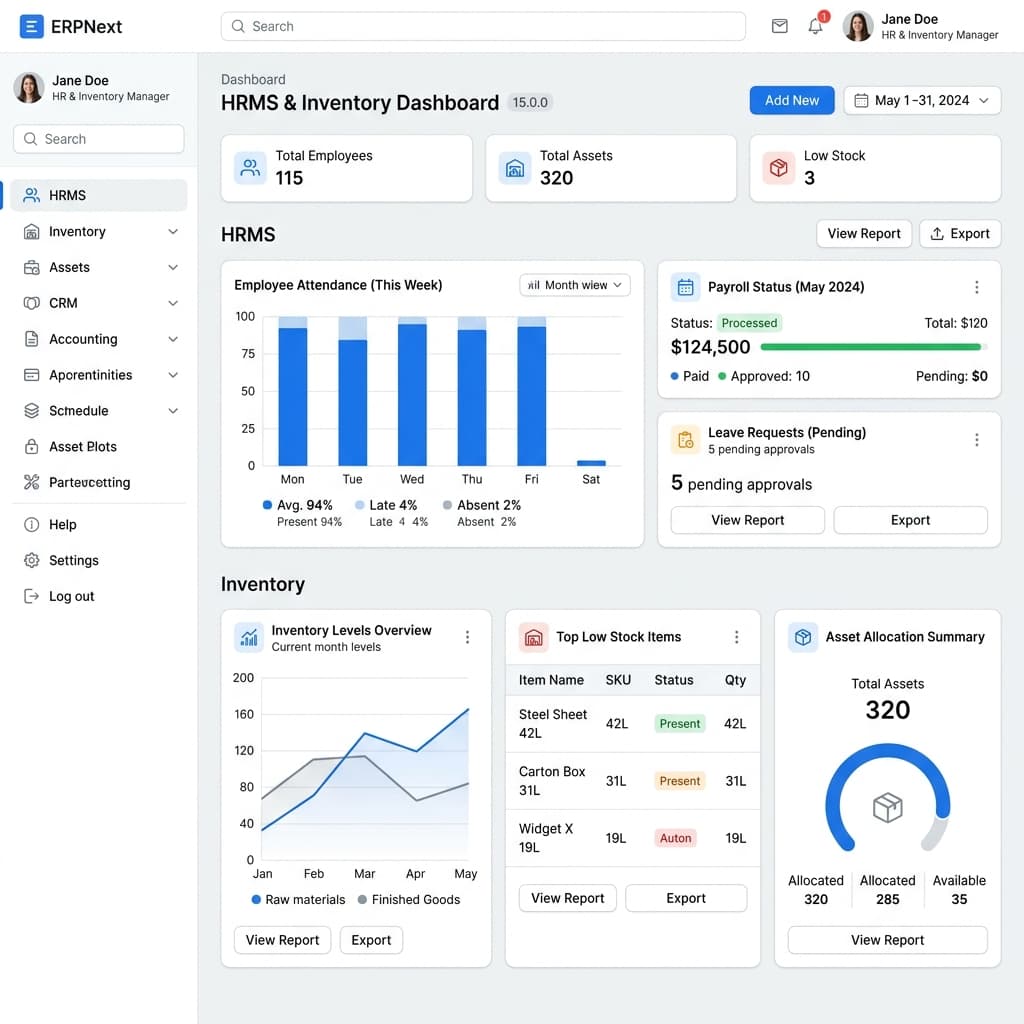 Enterprise Software
A detailed guide on customizing ERPNext to streamline Human Resource Management (HRMS) and Inventory operations. Learn best practices for Frappe, MariaDB, and writing custom server-side scripts.
Read articleShare the operational problem and constraints. We will help clarify scope, architecture, and delivery options.