01
Legacy Assessment
Comprehensive analysis of existing codebase, architecture, dependencies, and technical debt.
Systematic, risk-managed transformation of legacy enterprise applications into modern, cloud-native systems — without the business disruption of a full rewrite.

What we deliver for your business.
Incrementally replace legacy components with modern services, routing traffic gradually from old to new systems with full rollback capability.
Expose legacy system functionality through modern REST or GraphQL APIs, enabling integration with contemporary applications and services.
Plan legacy database moves with validation, rehearsed cutovers, rollback options, and dual-write periods where they are justified.
Replace legacy user interfaces with modern, responsive web applications while maintaining backend compatibility during transition.
The delivery path
How we build scalable solutions from concept to deployment.
Comprehensive analysis of existing codebase, architecture, dependencies, and technical debt.
Define the modernization approach for each component: wrap, migrate, replace, or retire.
Establish modern infrastructure, CI/CD pipelines, and observability tooling.
Execute migration in priority order, validating each phase before proceeding.
Safely retire legacy components after modern replacements are validated in production.
System architecture
Microservice architecture deployed on Kubernetes, with API gateways managing traffic routing between legacy and modern services during transition. Event-driven integration ensures data consistency across old and new systems.
Separate product responsibilities so changes remain local and understandable.
Define ownership, validation, retention, migration, and reconciliation explicitly.
Plan authentication, retries, failure visibility, idempotency, and support.
Include permissions, observability, deployment, backup, and recovery.
The tools and frameworks we use to build scalable systems.
Common questions about our Software Modernization solutions.
Sometimes, but rarely. We recommend incremental modernization in most cases because it reduces risk, delivers value earlier, and maintains business continuity. Full rewrites are considered only when the existing codebase is completely unmaintainable or the business model has fundamentally changed.
Beyond implementation
Map the people, records, approvals, exceptions, and systems involved before selecting the solution boundary.
Document data ownership, integrations, access, failure handling, deployment, and the trade-offs the team accepts.
Plan validation, rollout, documentation, support, and how the client team will operate the solution after launch.
From the field
Practical notes on modernization, architecture, automation, delivery, and maintainable software systems.
 Product Strategy
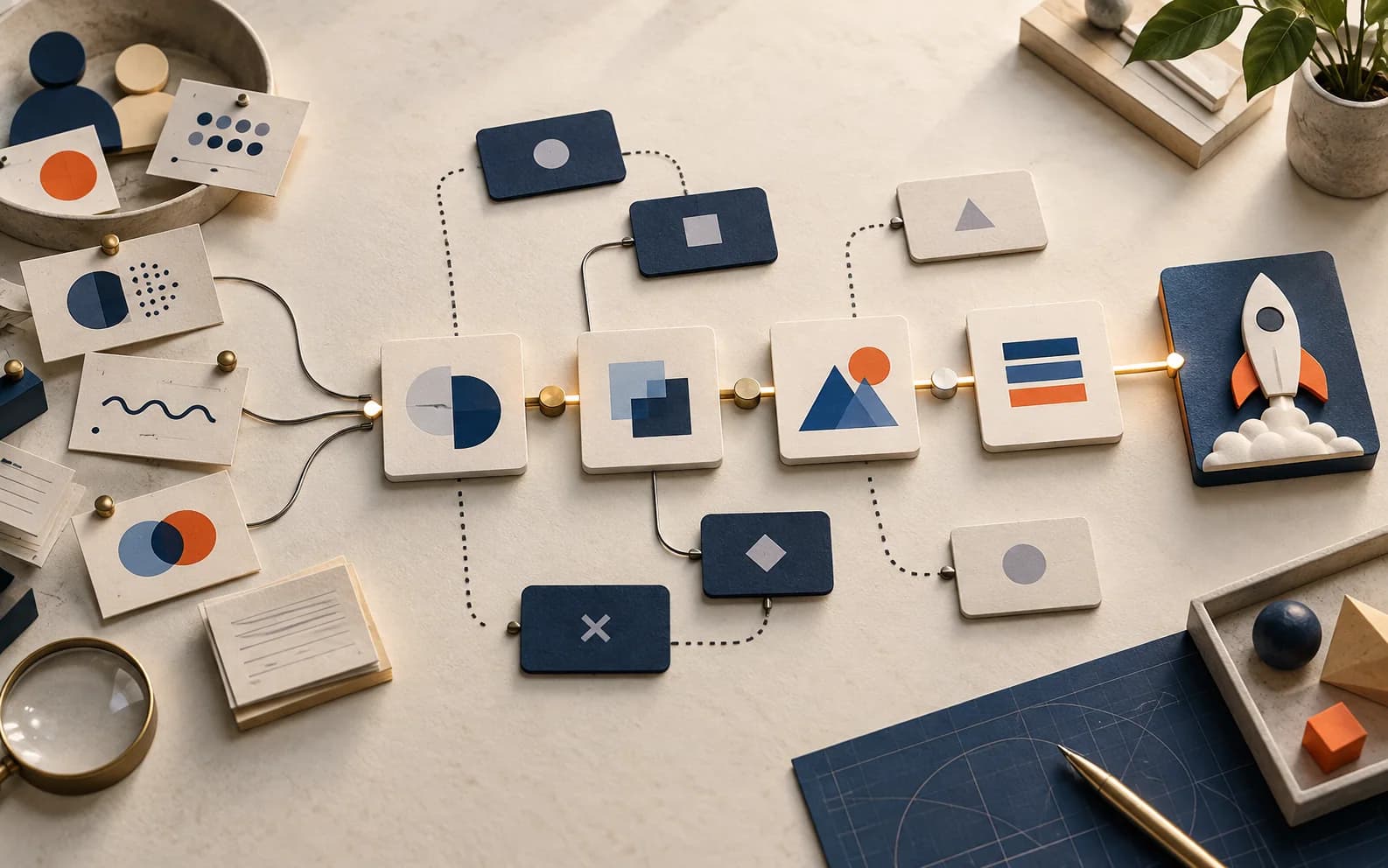
A comprehensive master handbook for Product Managers, CTOs, and Founders detailing product discovery cycles, PRDs, RICE scoring, user research, product-led growth (PLG), and agile sprint velocity.
Read article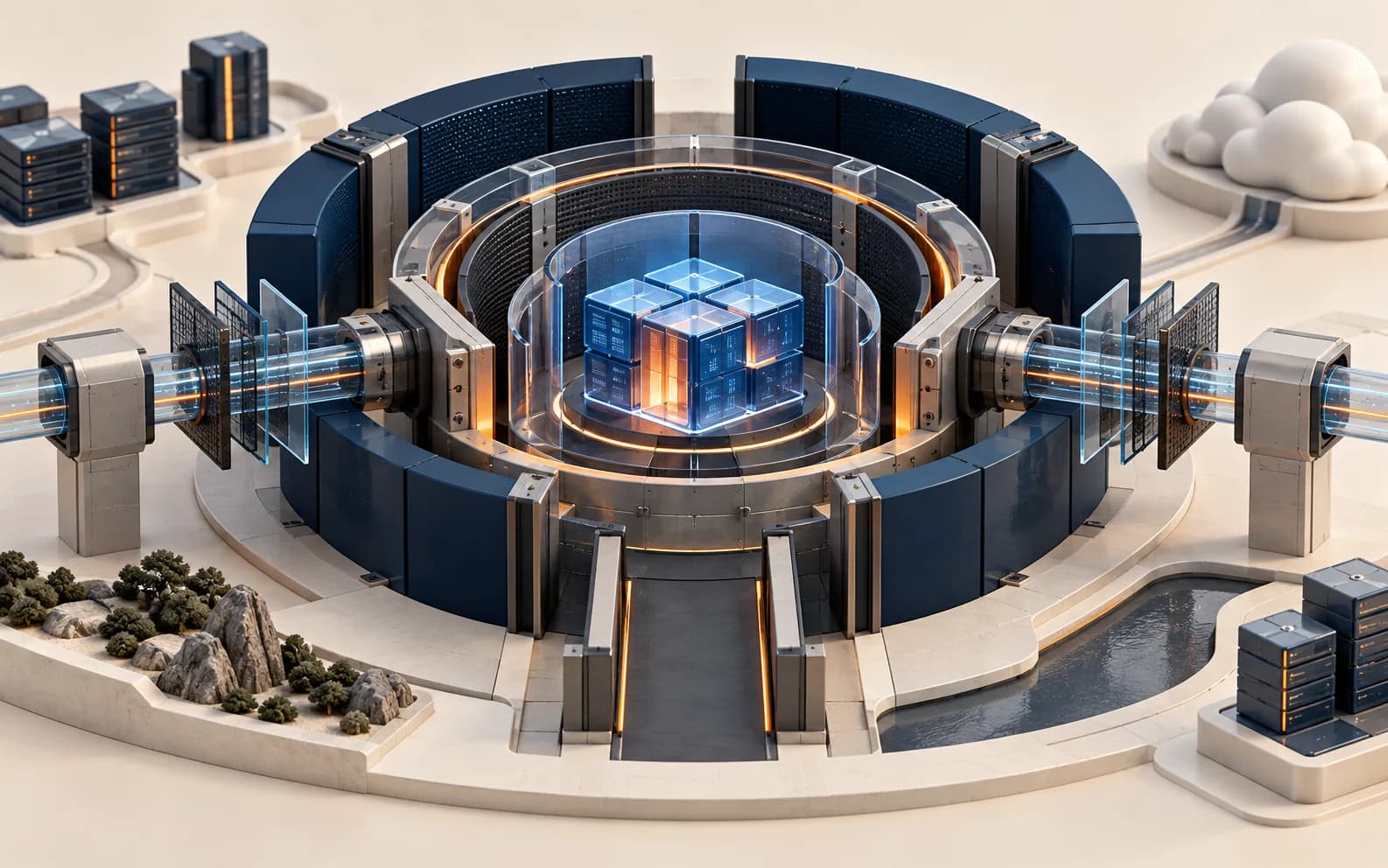 Cyber Security
A comprehensive 5,000+ word technical guide covering OWASP Top 10 mitigations, zero-trust JWT/OAuth auth pipelines, BOLA RBAC guards, Docker/Kubernetes container security, and SOC 2 / ISO 27001 compliance.
Read article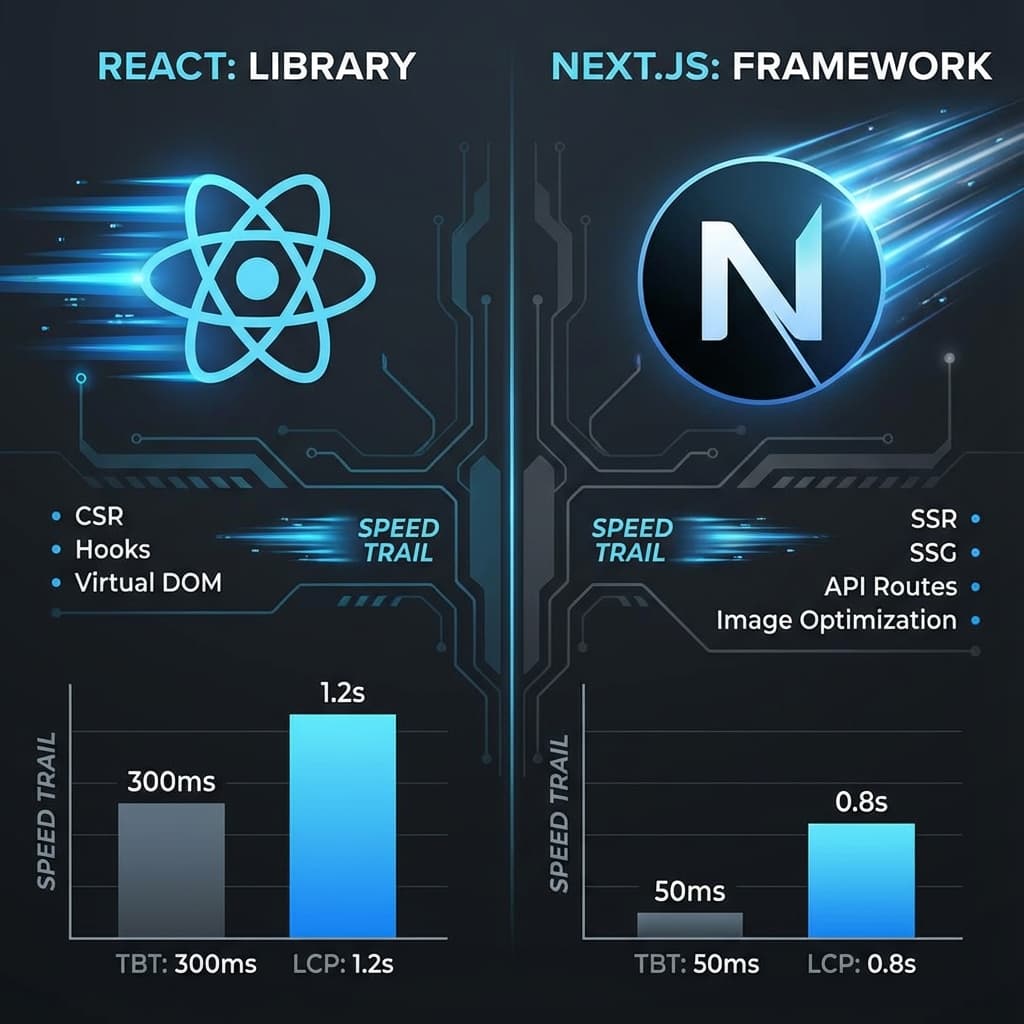 Product Strategy
Product Manager Rohit Sharma outlines strategic frameworks for product discovery, PRD authoring, RICE prioritization, and driving high-velocity engineering delivery.
Read article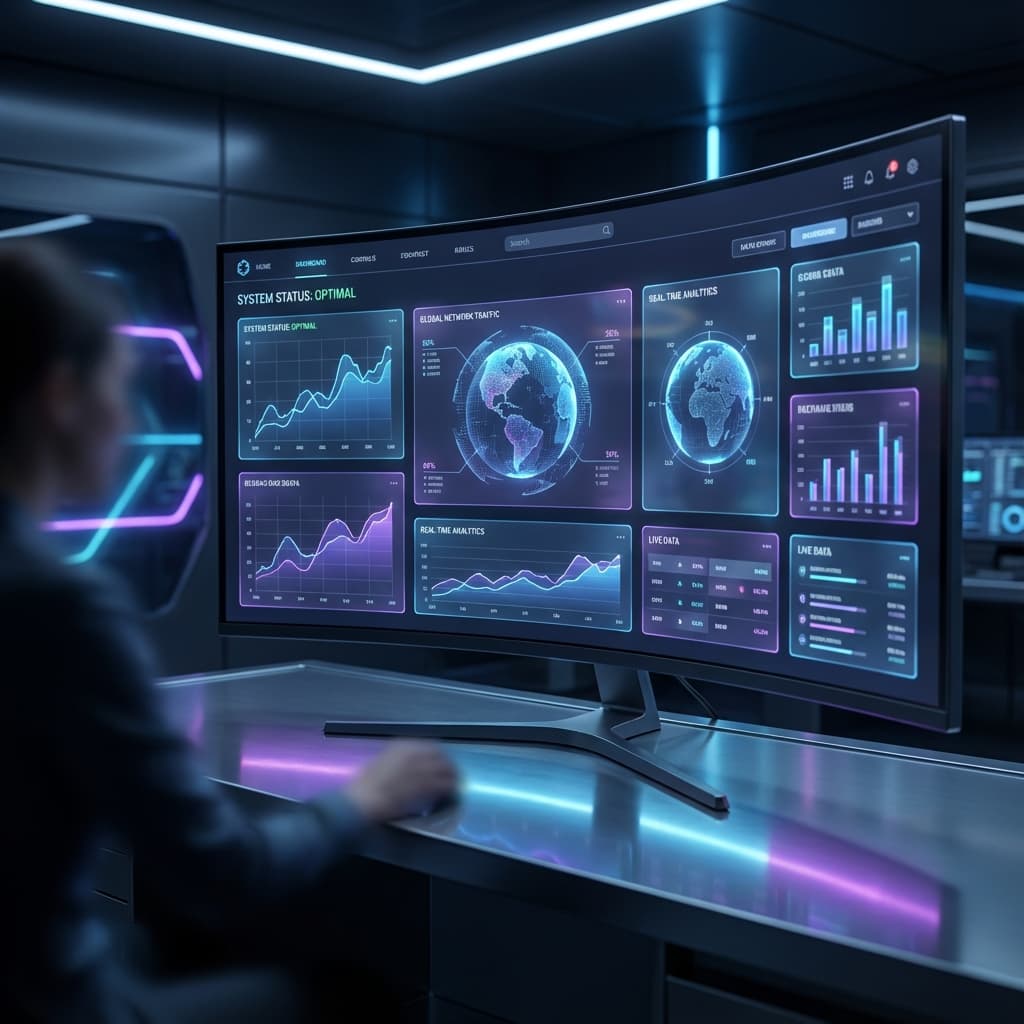 Product Strategy
How Product Manager Rohit Sharma conducts user research, defines key SaaS metrics (MRR, Churn, LTV/CAC), and aligns engineering roadmaps with business growth.
Read article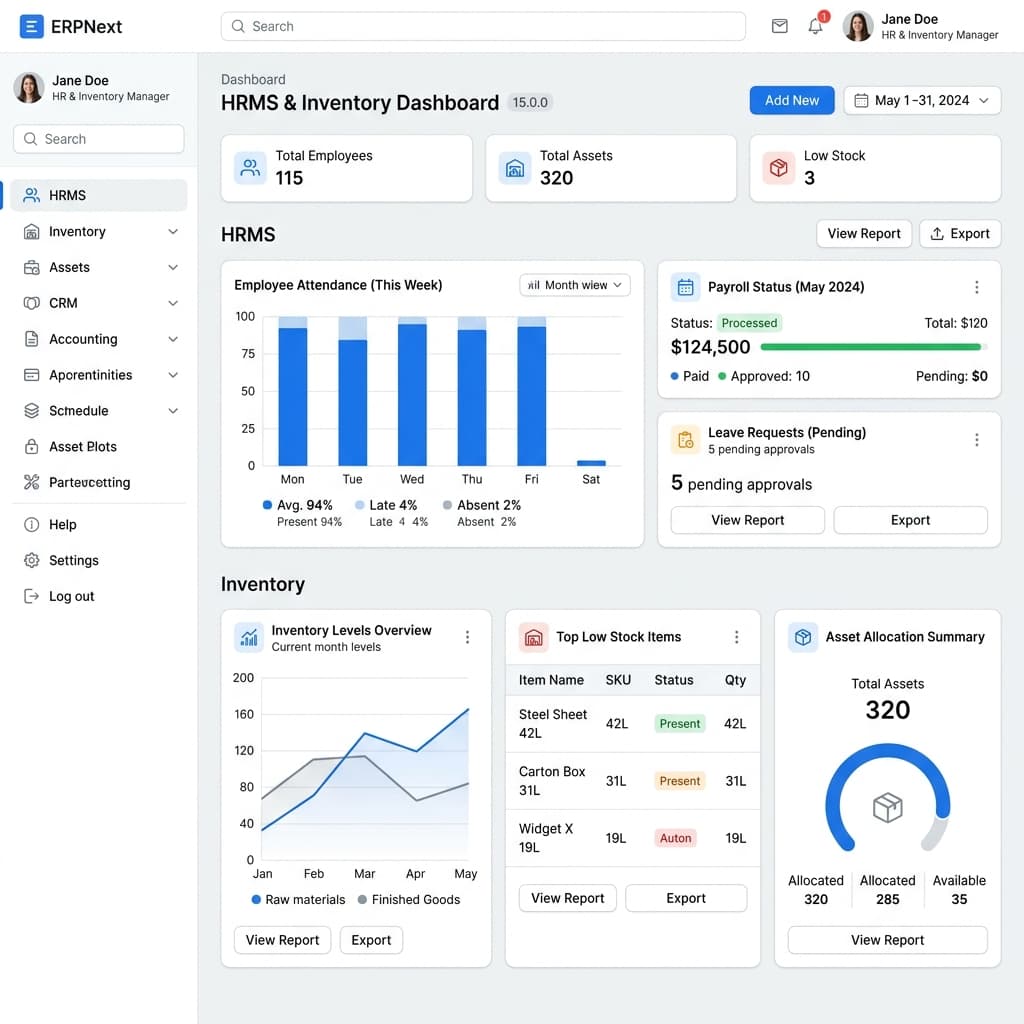 Enterprise Software
A detailed guide on customizing ERPNext to streamline Human Resource Management (HRMS) and Inventory operations. Learn best practices for Frappe, MariaDB, and writing custom server-side scripts.
Read articleShare the operational problem and constraints. We will help clarify scope, architecture, and delivery options.