Goroutines and channels for coordinating concurrent work
Network services and APIs

Technology guide
Use Go when concurrency, deployment simplicity, and predictable runtime behavior support the system's needs.
Compare Go with the existing stack using a representative workload, available libraries, ease of deployment, and the team's ability to maintain it.

Engineering capabilities
Why Go (Golang) can be a useful part of a modern engineering system.
Network services and APIs
Command-line and infrastructure tools
Workers handling concurrent I/O
Representative use cases
Check fit against the workload, the existing stack, and the team's operating capacity.
Check fit against the workload, the existing stack, and the team's operating capacity.
Check fit against the workload, the existing stack, and the team's operating capacity.
From the field
Practical notes on software architecture, delivery, performance, and maintainable product engineering.
 ERP & Operations
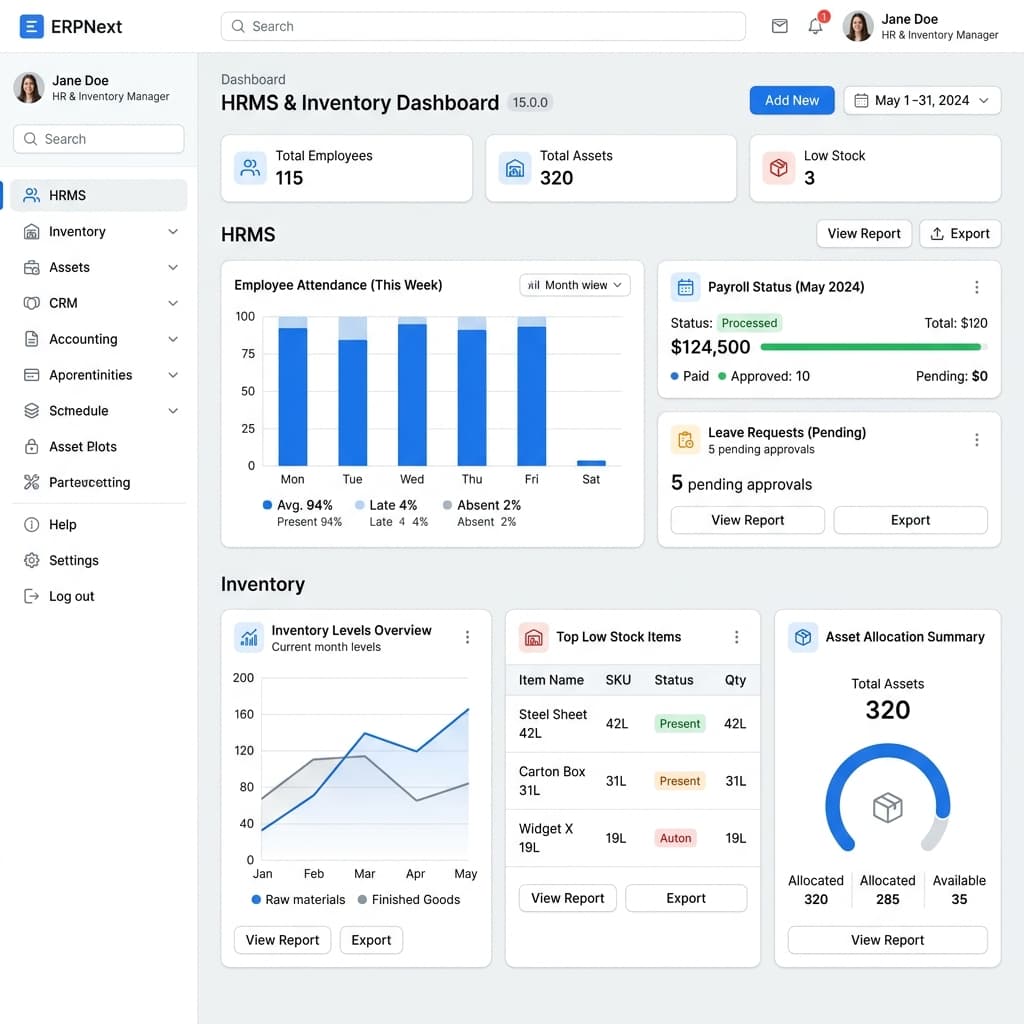
Plan ERPNext around process fit, named business owners, reconciled migration data and a rehearsed launch decision, with clear boundaries for configuration and extensions.
Read article Mobile Engineering
Build a mobile app budget around complete user journeys, device requirements, backend responsibilities and release ownership, then revisit it as dependencies become clear.
Read article Software Strategy
Run a software discovery workshop around real work, test the hardest assumption and leave with a release boundary, named owners and a documented next decision.
Read article AI & Automation
Understand AI in business workflows, compare opportunities with a practical scorecard, estimate pilot costs and decide when human review and a controlled pilot fit.
Read articleSoftware StrategyLearn what shapes a custom software estimate, why proposals differ, which build and operating costs to include, and when discovery or a revised estimate is needed.
Read articleThe right decision depends on the surrounding system, not the technology name alone.
Use a representative workload. Check which operational responsibilities the tool introduces and compare what changes with each alternative.
Agree ownership of dependencies, deployment, monitoring, upgrades, and recovery. Test those workflows before relying on the new tool in production.
Discuss where Go (Golang) fits your product, team, and operational constraints.