Extremely low memory footprint under high concurrency
Microservice reverse proxy & SSL termination

DevOps
Use a reverse proxy for routing, TLS, caching, and traffic controls sized to the application and its failure modes.
High-performance HTTP server, reverse proxy, load balancer, and TLS termination engine.

Engineering capabilities
Why Nginx & Reverse Proxies can be a useful part of a modern engineering system.
Microservice reverse proxy & SSL termination
API gateway edge routing and caching
Static asset acceleration
Representative use cases
We assess microservice reverse proxy & ssl termination against product constraints, team capability, security, and operational ownership before implementation.
We assess api gateway edge routing and caching against product constraints, team capability, security, and operational ownership before implementation.
We assess static asset acceleration against product constraints, team capability, security, and operational ownership before implementation.
From the field
Practical notes on software architecture, delivery, performance, and maintainable product engineering.
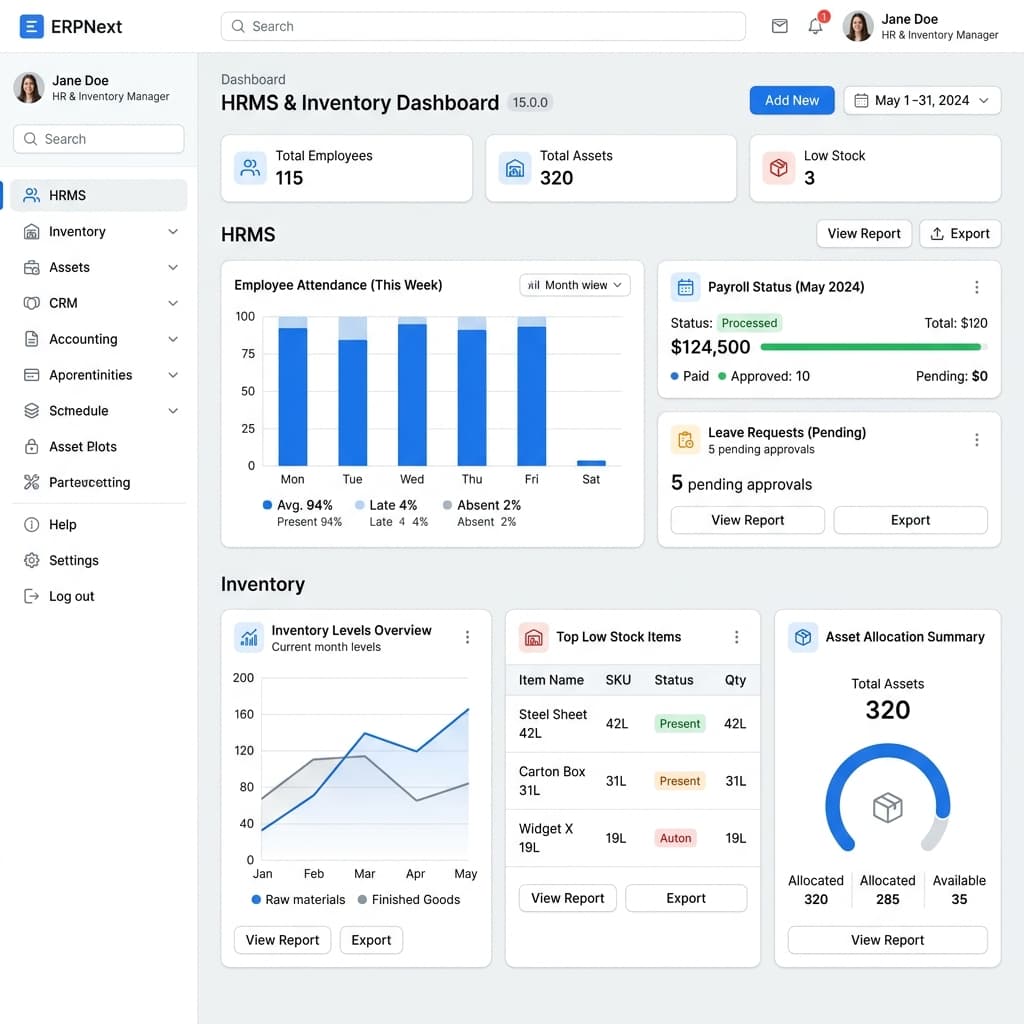 ERP & Operations
Plan ERPNext around process fit, named business owners, reconciled migration data and a rehearsed launch decision, with clear boundaries for configuration and extensions.
Read article Mobile Engineering
Build a mobile app budget around complete user journeys, device requirements, backend responsibilities and release ownership, then revisit it as dependencies become clear.
Read article Software Strategy
Run a software discovery workshop around real work, test the hardest assumption and leave with a release boundary, named owners and a documented next decision.
Read article AI & Automation
Understand AI in business workflows, compare opportunities with a practical scorecard, estimate pilot costs and decide when human review and a controlled pilot fit.
Read articleSoftware StrategyLearn what shapes a custom software estimate, why proposals differ, which build and operating costs to include, and when discovery or a revised estimate is needed.
Read articleThe right decision depends on the surrounding system, not the technology name alone.
No. We assess team capability, product behavior, ecosystem fit, security, deployment, and long-term ownership before recommending Nginx & Reverse Proxies.
We start by reviewing its architecture, dependencies, delivery workflow, quality risks, and product priorities before defining an extension or modernization plan.
We use explicit boundaries, typed contracts where available, testing proportional to risk, documented decisions, observable releases, and clear ownership.
Integration feasibility depends on the available APIs, data ownership, authentication, failure handling, and reconciliation requirements. Those are clarified before implementation.
Discuss where Nginx & Reverse Proxies fits your product, team, and operational constraints.