
01
Reduce Duplicate Entry
Move approved data between systems through explicit mappings, validation, and failure handling.
We build secure, high-performance APIs that break down data silos and integrate your disparate software systems.
Integrations need more than a connection between endpoints. We define ownership, contracts, versioning, validation, retry behavior, reconciliation, observability, and failure recovery around the systems involved and their expected workload.

A useful engagement connects product intent, engineering choices, quality controls, and operational ownership instead of treating implementation as an isolated hand-off.
Move approved data between systems through explicit mappings, validation, and failure handling.
Monetize your data by providing well-documented public APIs to partners and developers.
Decoupled systems connected via APIs are easier to upgrade or replace individually.
Architecture boundaries, integration behavior, security assumptions, and release choices are recorded with their trade-offs.
Documentation, monitoring, access, deployment controls, and next-release priorities are prepared around the operating team.
The first useful step depends on what is already known, what is already running, and which risk needs to be reduced first.
Map your starting pointIntegrations need more than a connection between endpoints. We define ownership, contracts, versioning, validation, retry behavior, reconciliation, observability, and failure recovery around the systems involved and their expected workload.
Best fit when
The outcome matters, but scope, dependencies, or the implementation boundary are still uncertain.
Useful outputs
Work proceeds in testable increments that connect interface quality, system behavior, integrations, security, and release readiness.
Best fit when
The direction is understood and you need an accountable path from design through production.
Useful outputs
Use evidence from the live product to prioritize performance, reliability, usability, security, and operating improvements in a controlled sequence.
Best fit when
The current system has value, but specific constraints are slowing users, delivery, or growth.
Useful outputs
What we deliver for API Integration.
Designing the right API paradigm—REST for standard integrations, GraphQL for complex client data fetching.
Implementing Kong or AWS API Gateway for rate limiting, authentication, and traffic routing.
Connect selected payment, CRM, ERP, communication, and operational platforms through documented contracts and failure handling.
Building robust webhook delivery systems with automatic retries and exponential backoff.
Auto-generating beautiful, interactive developer documentation using Swagger or Stoplight.
The delivery path
How we build scalable solutions from concept to deployment.
Identifying data sources, destinations, and transformation rules required for integration.
Defining the API specifications (OpenAPI/Swagger) before writing any code.
Setting up OAuth2, JWT authentication, and rate limiting.
Building endpoints and running automated integration tests.
Releasing with versioning and setting up API observability and error tracking.
Where we apply our API Integration expertise.
Common questions about our API Integration services.
We implement industry standards like OAuth 2.0 or JWT for authentication, enforce rate limiting to prevent abuse, require HTTPS/TLS encryption, and use API Gateways to filter malicious traffic.
Beyond implementation
Map the people, records, approvals, exceptions, and systems involved before selecting the solution boundary.
Document data ownership, integrations, access, failure handling, deployment, and the trade-offs the team accepts.
Plan validation, rollout, documentation, support, and how the client team will operate the solution after launch.
From the field
Practical notes on modernization, architecture, automation, delivery, and maintainable software systems.
 Product Strategy
A comprehensive master handbook for Product Managers, CTOs, and Founders detailing product discovery cycles, PRDs, RICE scoring, user research, product-led growth (PLG), and agile sprint velocity.
Read article Cyber Security
A comprehensive 5,000+ word technical guide covering OWASP Top 10 mitigations, zero-trust JWT/OAuth auth pipelines, BOLA RBAC guards, Docker/Kubernetes container security, and SOC 2 / ISO 27001 compliance.
Read article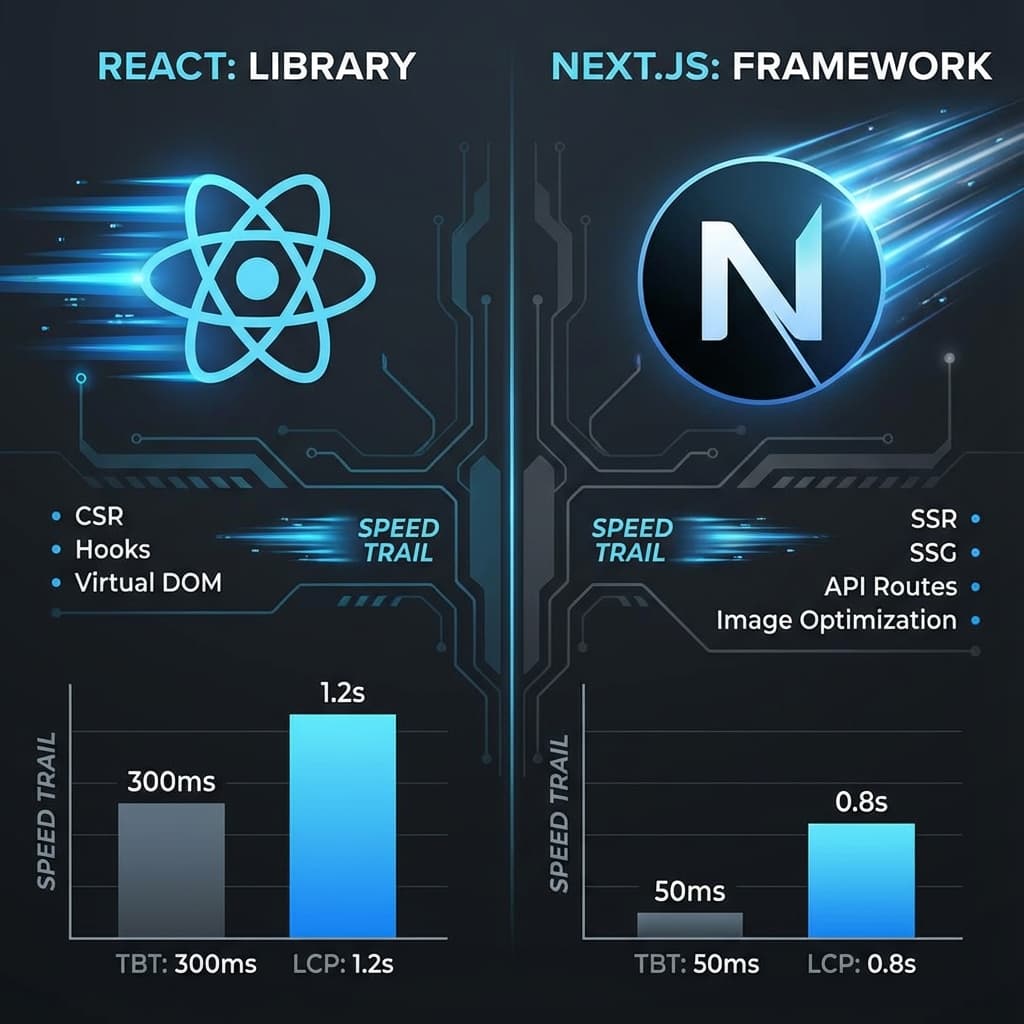 Product Strategy
Product Manager Rohit Sharma outlines strategic frameworks for product discovery, PRD authoring, RICE prioritization, and driving high-velocity engineering delivery.
Read article Product Strategy
How Product Manager Rohit Sharma conducts user research, defines key SaaS metrics (MRR, Churn, LTV/CAC), and aligns engineering roadmaps with business growth.
Read article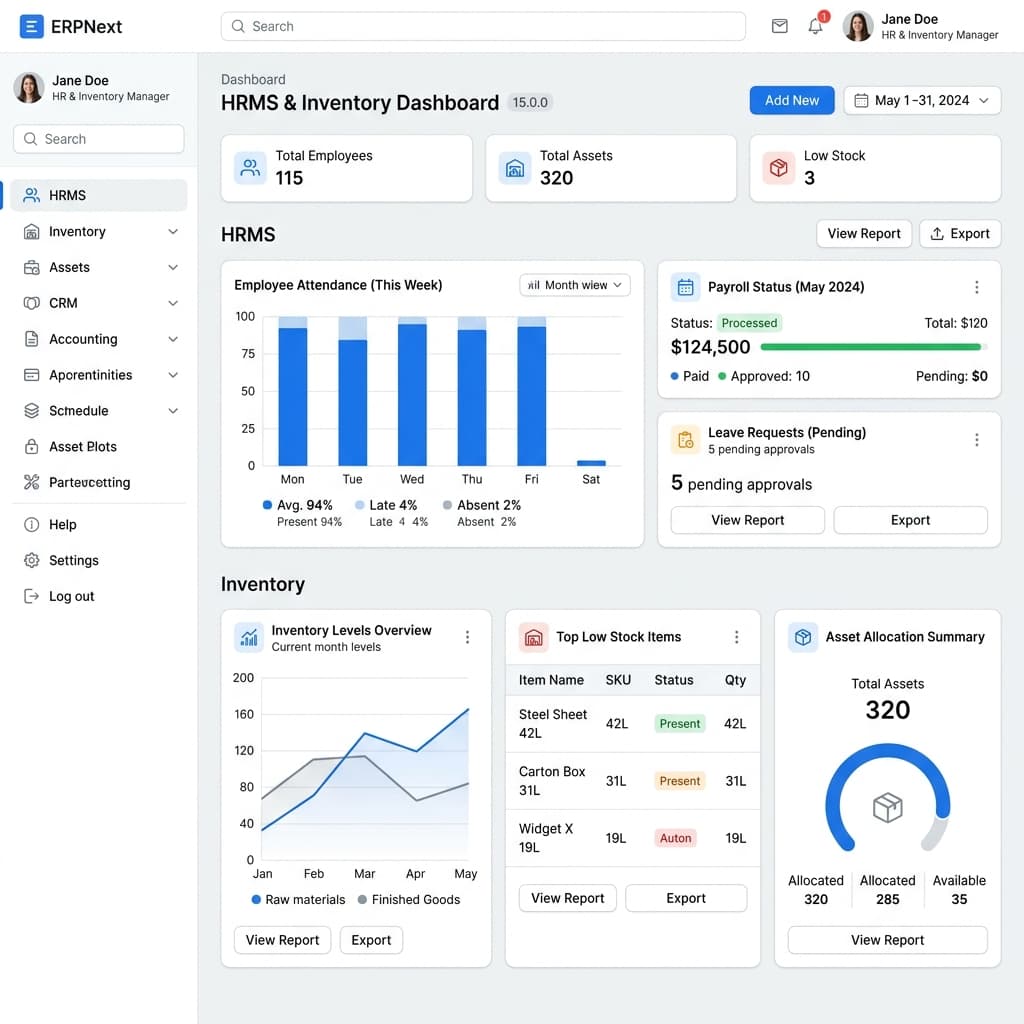 Enterprise Software
A detailed guide on customizing ERPNext to streamline Human Resource Management (HRMS) and Inventory operations. Learn best practices for Frappe, MariaDB, and writing custom server-side scripts.
Read articleExplore other engineering capabilities that complement this service.