
01
Risk Mitigation
Proactively identify and fix vulnerabilities before they can be exploited by malicious actors.
Protect your applications and data with secure architecture design, automated vulnerability scanning, and expert penetration testing.

A perimeter firewall is not enough; application security also depends on architecture, code, dependencies, identity, data handling, deployment, and operations. Our Application Security and DevSecOps work can include threat modeling, secure-design review, automated SAST or DAST, dependency checks, and scoped manual testing. We help translate relevant SOC 2, HIPAA, or organizational requirements into technical controls, while keeping certification and residual risk visible as shared responsibilities.
A useful engagement connects product intent, engineering choices, quality controls, and operational ownership instead of treating implementation as an isolated hand-off.
Proactively identify and fix vulnerabilities before they can be exploited by malicious actors.
Architectural alignment with SOC 2, HIPAA, GDPR, and PCI-DSS requirements.
Catching security flaws during development is significantly cheaper than post-breach remediation.
Architecture boundaries, integration behavior, security assumptions, and release choices are recorded with their trade-offs.
Documentation, monitoring, access, deployment controls, and next-release priorities are prepared around the operating team.
The first useful step depends on what is already known, what is already running, and which risk needs to be reduced first.
Map your starting pointA perimeter firewall is not enough; application security also depends on architecture, code, dependencies, identity, data handling, deployment, and operations. Our Application Security and DevSecOps work can include threat modeling, secure-design review, automated SAST or DAST, dependency checks, and scoped manual testing. We help translate relevant SOC 2, HIPAA, or organizational requirements into technical controls, while keeping certification and residual risk visible as shared responsibilities.
Best fit when
The outcome matters, but scope, dependencies, or the implementation boundary are still uncertain.
Useful outputs
Work proceeds in testable increments that connect interface quality, system behavior, integrations, security, and release readiness.
Best fit when
The direction is understood and you need an accountable path from design through production.
Useful outputs
Use evidence from the live product to prioritize performance, reliability, usability, security, and operating improvements in a controlled sequence.
Best fit when
The current system has value, but specific constraints are slowing users, delivery, or growth.
Useful outputs
What we deliver for Cybersecurity.
Embedding automated SAST, DAST, and dependency scanning directly into your CI/CD pipelines.
Combine automated checks with scoped manual review where the system's risk profile calls for it.
Structured architectural reviews to identify potential attack vectors before a single line of code is written.
Implementing robust OAuth2, OIDC, and RBAC architectures for secure authorization.
Eliminating hardcoded credentials through HashiCorp Vault, AWS Secrets Manager, or KMS integration.
The delivery path
How we build scalable solutions from concept to deployment.
Reviewing current architecture, codebase, and cloud configurations against security best practices.
Installing and configuring security scanning tools into the existing development workflow.
Working alongside your developers to patch identified vulnerabilities and logic flaws.
Conducting a time-boxed offensive security engagement against the staging environment.
Educating the engineering team on secure coding practices and OWASP Top 10 mitigation.
Where we apply our Cybersecurity expertise.
Common questions about our Cybersecurity services.
We provide the technical implementation, architectural remediation, and automated evidence collection required to pass a SOC 2 audit. A certified third-party auditor must issue the actual report.
Beyond implementation
Map the people, records, approvals, exceptions, and systems involved before selecting the solution boundary.
Document data ownership, integrations, access, failure handling, deployment, and the trade-offs the team accepts.
Plan validation, rollout, documentation, support, and how the client team will operate the solution after launch.
From the field
Practical notes on modernization, architecture, automation, delivery, and maintainable software systems.
 Product Strategy
A comprehensive master handbook for Product Managers, CTOs, and Founders detailing product discovery cycles, PRDs, RICE scoring, user research, product-led growth (PLG), and agile sprint velocity.
Read article Cyber Security
A comprehensive 5,000+ word technical guide covering OWASP Top 10 mitigations, zero-trust JWT/OAuth auth pipelines, BOLA RBAC guards, Docker/Kubernetes container security, and SOC 2 / ISO 27001 compliance.
Read article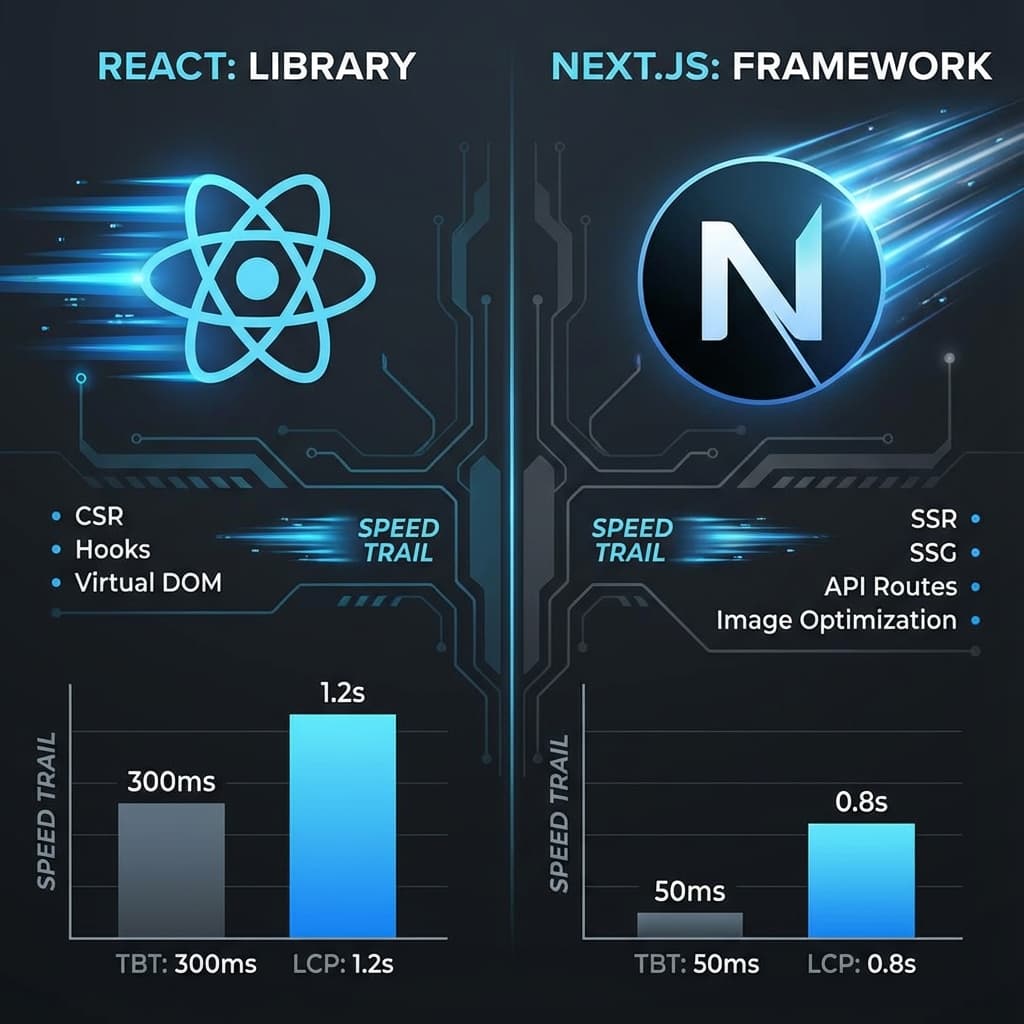 Product Strategy
Product Manager Rohit Sharma outlines strategic frameworks for product discovery, PRD authoring, RICE prioritization, and driving high-velocity engineering delivery.
Read article Product Strategy
How Product Manager Rohit Sharma conducts user research, defines key SaaS metrics (MRR, Churn, LTV/CAC), and aligns engineering roadmaps with business growth.
Read article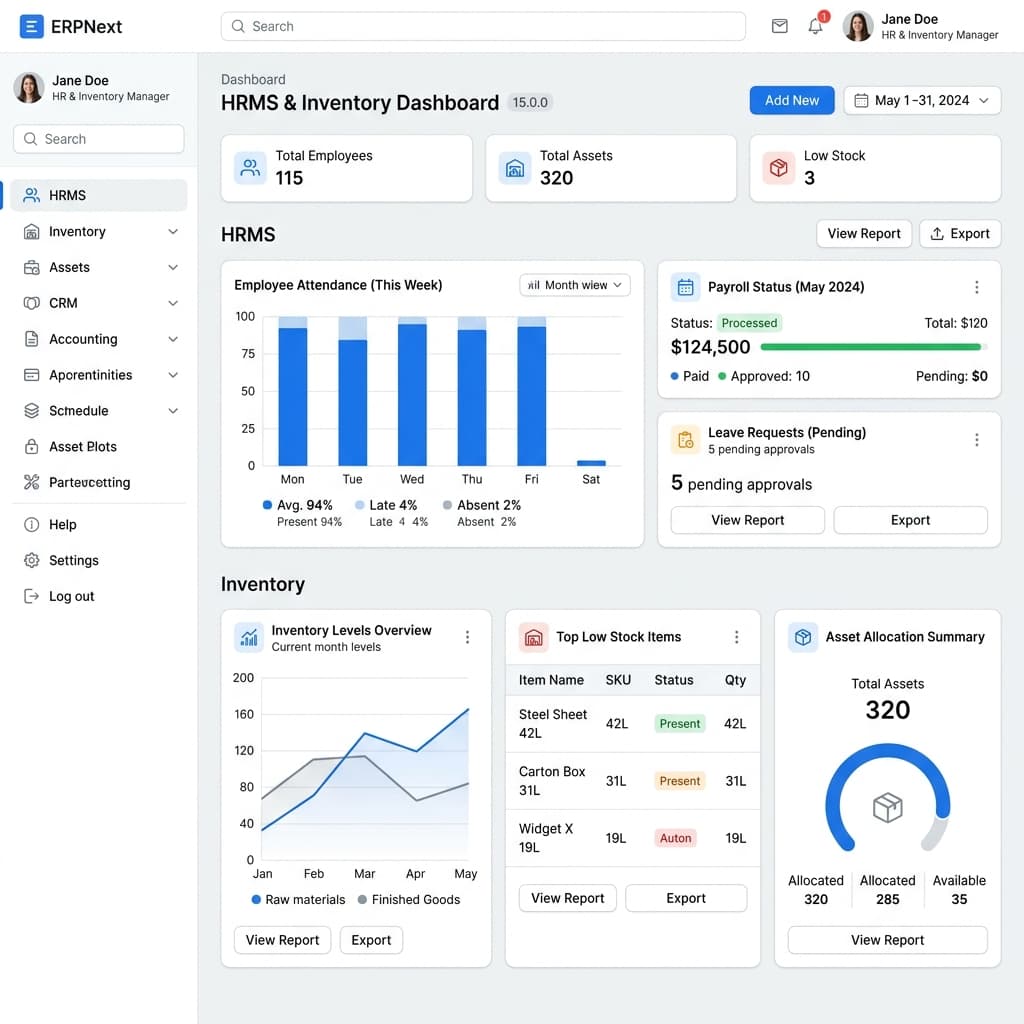 Enterprise Software
A detailed guide on customizing ERPNext to streamline Human Resource Management (HRMS) and Inventory operations. Learn best practices for Frappe, MariaDB, and writing custom server-side scripts.
Read articleExplore other engineering capabilities that complement this service.