
01
Zero over-fetching or under-fetching
Omnichannel API gateways (Mobile + Web + IoT)
Backend
We implement federated GraphQL gateways and versioned RESTful APIs to give frontend teams flexible querying capabilities without over-fetching or multiple round-trips.
Data query language for APIs providing declarative data fetching, schema federation, and optimized payload delivery.
Why GraphQL & REST can be a useful part of a modern engineering system.
Omnichannel API gateways (Mobile + Web + IoT)
Microservices federation
SaaS public developer APIs
Representative use cases
We assess omnichannel api gateways (mobile + web + iot) against product constraints, team capability, security, and operational ownership before implementation.
We assess microservices federation against product constraints, team capability, security, and operational ownership before implementation.
We assess saas public developer apis against product constraints, team capability, security, and operational ownership before implementation.
Where we deploy GraphQL & REST solutions.
How we leverage GraphQL & REST in our engineering process.
From the field
Practical notes on software architecture, delivery, performance, and maintainable product engineering.
 Product Strategy
A comprehensive master handbook for Product Managers, CTOs, and Founders detailing product discovery cycles, PRDs, RICE scoring, user research, product-led growth (PLG), and agile sprint velocity.
Read article Cyber Security
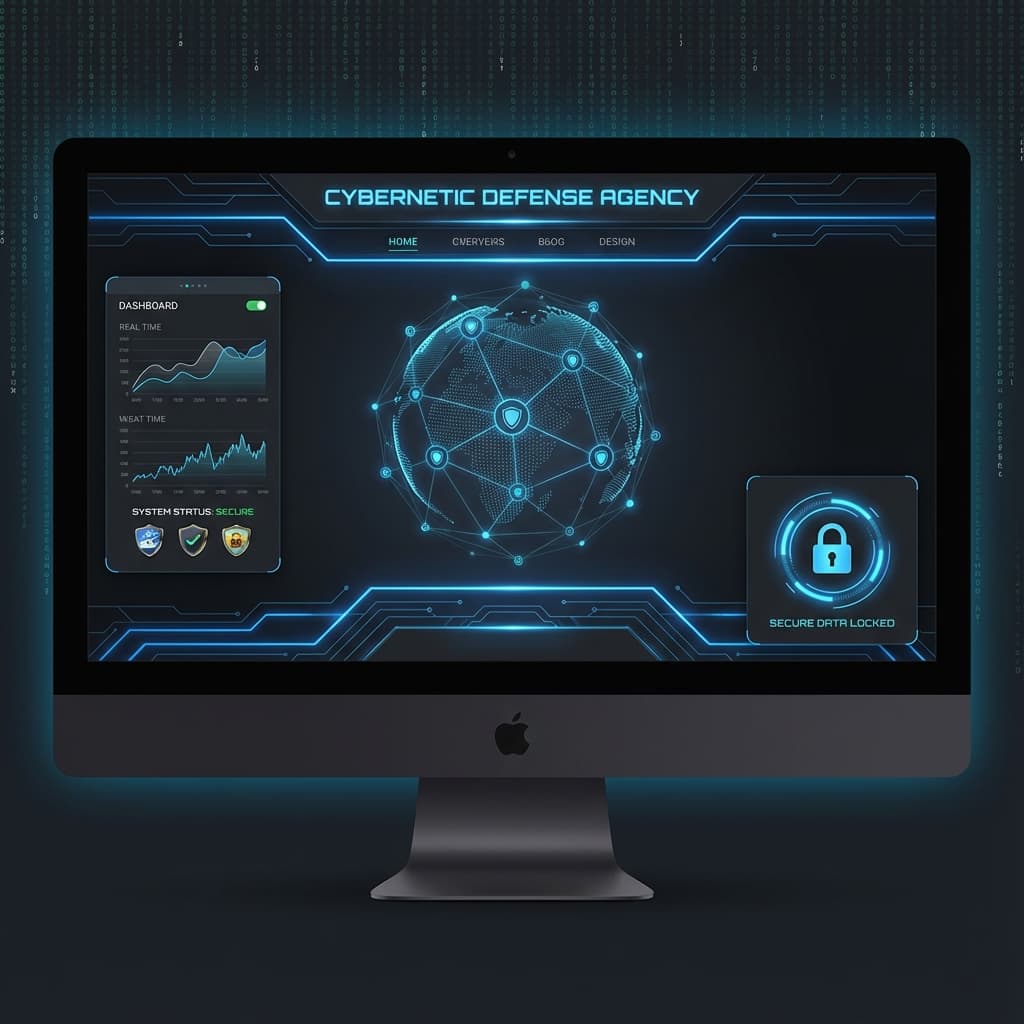
A comprehensive 5,000+ word technical guide covering OWASP Top 10 mitigations, zero-trust JWT/OAuth auth pipelines, BOLA RBAC guards, Docker/Kubernetes container security, and SOC 2 / ISO 27001 compliance.
Read article Product Strategy
Product Manager Rohit Sharma outlines strategic frameworks for product discovery, PRD authoring, RICE prioritization, and driving high-velocity engineering delivery.
Read article Product Strategy
How Product Manager Rohit Sharma conducts user research, defines key SaaS metrics (MRR, Churn, LTV/CAC), and aligns engineering roadmaps with business growth.
Read article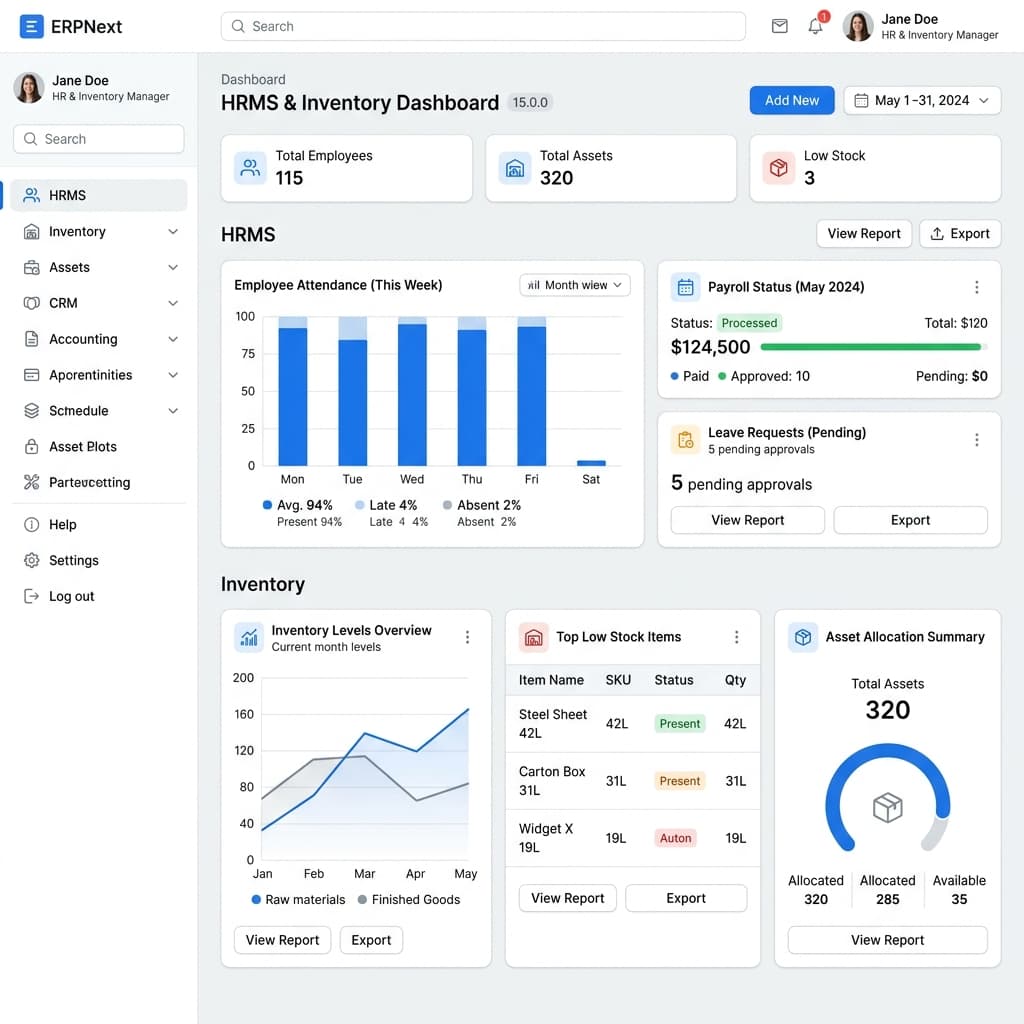 Enterprise Software
A detailed guide on customizing ERPNext to streamline Human Resource Management (HRMS) and Inventory operations. Learn best practices for Frappe, MariaDB, and writing custom server-side scripts.
Read articleThe right decision depends on the surrounding system, not the technology name alone.
No. We assess team capability, product behavior, ecosystem fit, security, deployment, and long-term ownership before recommending GraphQL & REST.
Discuss where GraphQL & REST fits your product, team, and operational constraints.